Presentation Skills

Yesterday at TIIDELab I really had and insightful session, where Mr Aderoju Shamsudeen Adedapo talked about Presentation Skills.
Presentation is described as a formal talk or demonstration intended to convey information, persuade and instruct an audience.
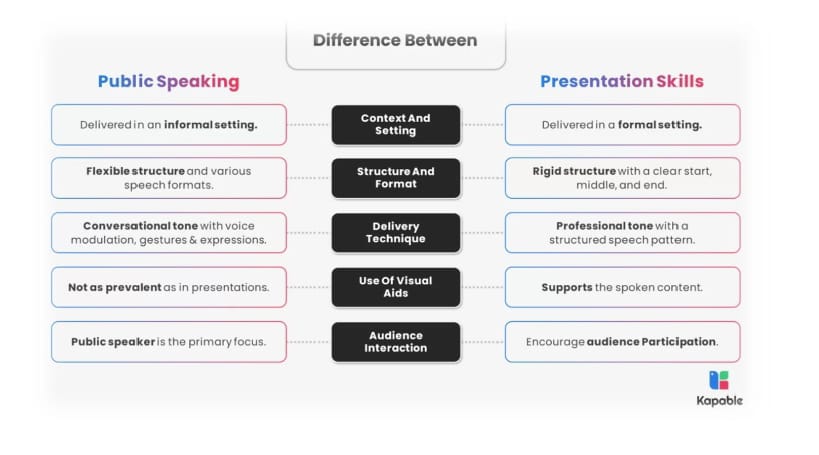
Public Speaking vs. Presentation:
Public speaking is broader and involves various formats such as debates, lectures, and informal talks.
Presentations are a subcomponent of public speaking, often more formal and structured.
FEATURES
To persuade: A great presentation convinces an audience about an idea, a vision or a product. it thereafter calls the audience to action.
To compel: A great presentation is useful to make a compelling case for an idea, products, research or project to an audience when seeking approval or support.
To convert: A great presentation is aimed to convert leads to customers, persuade stakeholders and instigate a call to action. It has an audience-centric content, compelling stories and visually appealing slides and images.
THE 3 A'S OF PRESENTATION
Audacity: This is determined by our confidence level and responses to emergency situations.
Authenticity: This is determined by our knowledge of subject and how real we determine our authenticity.
Awareness: This is determined by our knowledge of our audience and environment.
COMPONENTS OF PUBLIC SPEAKING AND PRESENTATIONS:
Confidence.
Content.
Delivery.
Engagement.
Preparation.
Understanding your audience enhance effectiveness.
FRAMEWORKS FOR PRESENTATIONS:
There are three main structures:
Problem, Agitate, Solve: This is used to identify the main problem then state the main pain points before moving to solution.
Before, After, and Bridge: This is used to describe the old situation, Explain the current state and lead your audience to how u get there.
Topic, Information, Importance, Recap: This is used to mention your topic, state why it matters, dish out some info about the picture and recap.
VISUAL AIDS IN PRESENTATIONS
Visual aids in presentations refers to any material that helps to convey or enhance the message you are trying to communicate to your audience. These are tools that appeal to the audience's sense of sight and can significantly improve understanding and retention of information.
TYPES OF VISUAL AIDS
Slides.
Videos.
infographics.
physical models.
handouts.
interactive boards.
USING VISUAL AIDS EFFECTIVELY
It should align with presentation goals, thereby using high quality graphs and relevant keys.
It should align with the visual timing and verbal delivery, thereby keeping it simple and engaging your audience with visuals.
It should be time conserving, thereby interacting with visuals and be consistent with the design.
Note: Visual aids are a crucial component of effective presentations, allowing you to communicate more effectively by supporting your spoken words with visual elements. They can range from simple charts and graphs to sophisticated multimedia presentations. The key is to choose visual aids that are appropriate for your message and audience to enhance the overall impact of your presentation
MASTERING THE ART OF PRESENTATION:
Tips include:
Identify and stick to the goal.
Volunteering to present.
Telling a stories.
Practicing.
Managing questions effectively.
The significance of eye contact.
Engaging the audience.
HANDLING Q AND A
Be responsible: Remember your responsibility is to deliver the best answer to the audience, not just the person asked the question. if the audience is very large repeat, and if necessary rephrase the question for the benefit of the rest of the audience.
Keep an eye on the audience: Don't just look at the person who asked the question but regarded scan the entire audience.
Don't feel pressured: When You don't have an answer to a question don't feel pressured because you won't be doing the audience any good.
Seperate your list of Questions into two categories: Questions you can answer and questions you cannot answer.
Quote: Everything you want lies in your ability to talk written by `Kadir Salami'.

